Types of Exterior Wall Cladding
Exterior wall cladding protects the building from rain, sunlight, wind, moisture, and surface wear while giving the facade its final appearance.
For B2B buyers, choosing cladding is not only about design. You also need to compare installation speed, material weight, weather resistance, maintenance cost, supply stability, packing, and long-term project risk.
In this blog, you will learn the main types of exterior wall cladding, how they compare, and how to choose the right option for bulk projects.
What Is Exterior Wall Cladding?
Exterior wall cladding is the outer covering installed on building facades. It protects the wall structure and improves the appearance of the building.
You can use exterior wall cladding on many types of projects, including residential facades, commercial buildings, hotels, resorts, apartment projects, garden buildings, balcony walls, soffits, semi-outdoor ceilings, and decorative exterior walls.
For wholesalers, builders, contractors, and distributors, cladding is about cost control, installation efficiency, product availability, and after-sales risk.
A good cladding product should not only look suitable for the project. It should also be easy to install, stable in outdoor conditions, practical to ship, and supported by clear installation guidance.
Cladding Material vs Cladding Appearance
When you compare exterior wall cladding, you need to separate the actual material from the surface appearance.
For example, wood-look cladding does not always mean natural wood. It can also be WPC, fiber cement, vinyl, metal, or another panel system with a wood grain surface. Stone-look cladding can be real stone, stone veneer, fiber cement, or composite panels. Brick-look cladding can be made from real brick, brick slips, or panelized cladding. Concrete-look cladding can be real concrete, fiber cement, or architectural panels.
This is why some cladding guides classify products by material, while others classify them by design style. Both methods are useful, but they answer different questions.
If you are buying for a project, you should ask two questions at the same time: what material is the panel made from, and what surface appearance does the project need? This will help you compare cost, weight, installation method, fire performance, weather resistance, and maintenance more accurately.
Key Factors to Compare Before Choosing Exterior Wall Cladding
For bulk projects, exterior wall cladding selection should be based on more than price per square meter. A low-cost material may increase total project cost if it is heavy, slow to install, difficult to cut, or requires frequent maintenance.
Material weight is one of the first factors to compare. Heavy materials such as brick, stone, and some cement-based products may require stronger support systems and more labor. Lighter cladding options are usually easier to handle, especially for soffits, balcony walls, and large facade areas.
The installation method also matters. Some materials need mortar, adhesives, rails, clips, screws, or special subframes. If the installation system is too complex, the project may need more skilled labor and more time on site. For builders and contractors, this directly affects labor cost and project schedule.
Weather resistance is another key point. Exterior cladding must deal with rain, sun, wind, humidity, and temperature changes. In hot regions, UV resistance and color fading control are very important. In coastal regions, moisture, salt, and corrosion resistance become more important. In cold regions, freeze-thaw resistance and impact strength should be checked carefully.
Maintenance is also a long-term cost. Natural wood may need painting, staining, sealing, and regular care. Some other materials, such as WPC, vinyl, fiber cement, metal, and glass, may need less routine maintenance, depending on product quality and local climate.
For importers and distributors, supply factors are just as important as product performance. You need to check MOQ, lead time, color consistency, container loading quantity, packing method, accessory matching, warranty terms, and after-sales support. These points affect your inventory planning, sales risk, and customer satisfaction.
Types of Exterior Wall Cladding
1. Brick Cladding
Brick cladding is a traditional exterior wall cladding option. It gives buildings a classic masonry appearance and is known for strength, fire resistance, and long service life.
You may choose brick cladding for residential buildings, schools, apartments, public buildings, and traditional-style commercial projects. It works well when the project needs a solid and familiar facade appearance.
The main disadvantage is weight. Brick is heavy and usually requires more labor than lightweight panel systems. Installation can also be slower, especially on large projects. If you are buying for a fast-track project, labor cost and installation time should be calculated carefully.
Brick cladding is suitable when the project values masonry appearance and long-term strength more than fast installation or lightweight handling.
2. Stone Cladding
Stone cladding gives a premium natural appearance. It is often used on entrances, columns, lower walls, villas, hotel facades, resort buildings, and feature walls.
Natural stone has strong visual value because each piece has its own texture and pattern. It can make a building look more solid and high-end. For project owners who want a strong first impression, stone can be a good choice.
However, stone is usually heavy, costly, and slower to install. It also needs careful fixing, skilled workers, and good structural support. Transport cost may be higher because of the weight.
For bulk projects, stone cladding is often better for selected feature areas instead of full facade coverage. You can use it for entrances, columns, or lower wall sections, then combine it with other cladding materials to control cost and weight.
3. Wood Cladding
Wood cladding gives a natural and warm appearance. It is commonly used for villas, resorts, garden buildings, cabins, and architectural facades.
Many designers like wood because of its natural grain and strong design value. It can make a building feel softer and closer to nature. For hospitality projects, wood can also help create a more relaxed outdoor atmosphere.
The main problem is maintenance. Outdoor wood usually needs painting, staining, sealing, or oiling. Without regular care, it may fade, crack, rot, warp, or suffer from insect damage. In humid or rainy areas, maintenance pressure can become even higher.
Wood cladding is suitable when the project specifically requires real timber. But for hotels, apartments, commercial buildings, and rental properties, you should calculate long-term maintenance cost before choosing natural wood.
4. WPC Exterior Wall Cladding
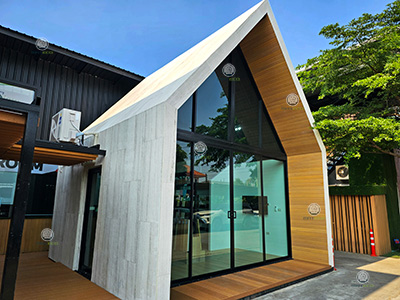
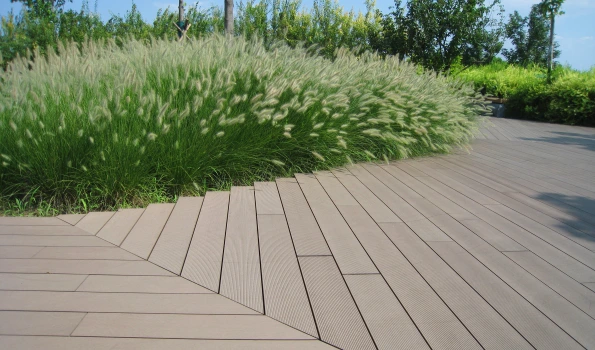
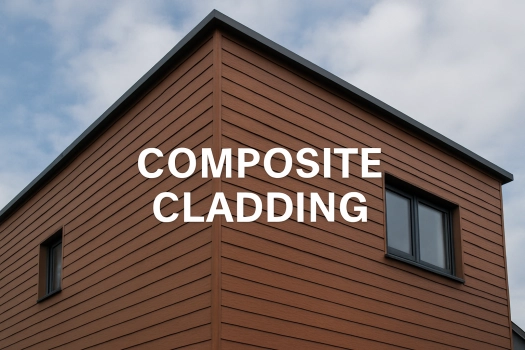
WPC exterior wall cladding is a wood-plastic composite cladding product. It is often used when a project needs a wood-look facade with lower maintenance than natural wood.
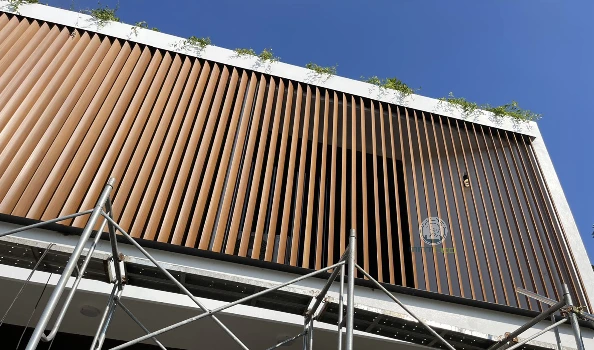
You can use WPC exterior wall cladding for facades, soffits, balcony walls, hotels, resorts, garden buildings, commercial decorative walls, and semi-outdoor ceilings. It is especially practical when the project wants a natural wood grain surface but does not want regular painting or staining.
For wholesalers, builders, and distributors, WPC has strong practical value because it is usually easier to handle than heavy cladding materials. It can also help reduce maintenance concerns compared with natural wood.
MATECO's outdoor co-extrusion WPC series, for example, uses a UV Armor co-extrusion layer and is designed for outdoor wall cladding, decking, timber tube, and sun shading applications. The catalogue also highlights a wood grain surface, no-paint feature, lightweight PVC-based WPC core, and easier transportation and installation benefits for outdoor projects.
When comparing WPC suppliers, you should check the surface layer, core formula, UV performance, color stability, profile design, accessory system, expansion gap requirements, fire performance, warranty, and production capacity. WPC quality can vary a lot between factories, so sample testing and supplier review are important before placing a large order.
WPC is a practical option when the project needs a wood-look surface, easier installation, and lower maintenance than natural wood.
If you are sourcing for wholesale, distribution, or project supply, choosing a reliable wpc exterior wall cladding supplier can help you confirm product quality, profile options, accessories, loading quantity, and long-term supply support before placing a bulk order.
5. Metal Cladding
Metal cladding is widely used for commercial buildings, offices, industrial buildings, warehouses, transport hubs, and modern facade projects.
Common materials include aluminum, steel, zinc, and aluminum composite panels. Metal cladding can create clean lines, large facade areas, and a modern building appearance.
When choosing metal cladding, you need to pay close attention to coating quality, corrosion resistance, dent resistance, thermal expansion, and fire requirements. Coastal areas require extra care because salt can increase corrosion risk. Large panels also need proper fixing design to control movement from temperature changes.
Metal cladding is a good option for commercial and industrial projects, but it should be selected as a complete facade system, not only as a panel product.

6. Glass Cladding
Glass cladding is commonly used in office buildings, hotels, showrooms, airports, shopping centers, and curtain wall systems.
Glass gives a high-end and modern appearance. It allows natural light into the building and works well for projects that need a strong commercial image.
However, glass cladding is expensive and requires specialized engineering. It must meet safety, wind load, thermal, and installation requirements. Cleaning and maintenance should also be planned in advance, especially for tall buildings.
Glass is not usually chosen only by material price. The full system cost, engineering requirement, installation team, and long-term maintenance plan must all be considered.
Popular Exterior Cladding Styles
Lap Siding
Lap siding is a traditional horizontal cladding style. Each board overlaps the board below it, creating shadow lines across the facade.
This style is common in residential buildings, villas, and renovation projects. It works well when the project needs a familiar and simple exterior appearance.
Board and Batten
Board and batten is a vertical cladding style with strong shadow lines. It uses wide boards and narrower battens to cover the joints.
This style is often used on villas, garden buildings, farmhouse-style projects, and feature facades. It gives the wall more depth and a stronger vertical effect.
Wood-Look Cladding
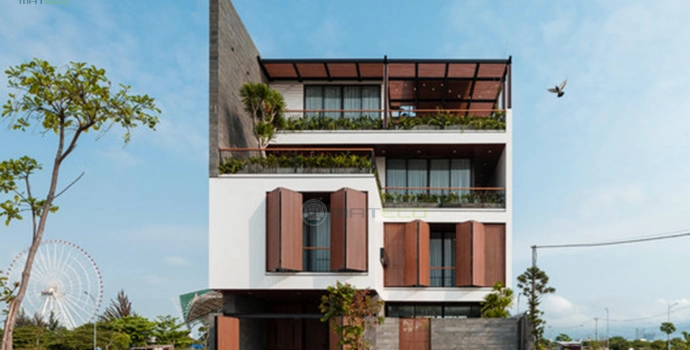
Wood-look cladding is popular for villas, hotels, resorts, garden buildings, balcony walls, and commercial facades.
The material does not have to be real wood. WPC, fiber cement, vinyl, and metal can all be made with wood-look surfaces. For B2B buyers, this gives more choices in cost, weight, maintenance, and weather performance.
Stone-Look Cladding
Stone-look cladding is useful for entrances, columns, lower walls, and feature facades. It gives a solid and premium appearance without always using full-thickness natural stone.
This style is often used in hotels, villas, commercial buildings, and high-end residential projects.
Brick-Look Cladding
Brick-look cladding provides a traditional masonry appearance. It can be made from real brick, brick slips, or panelized systems.
Panelized brick-look cladding may help reduce installation time compared with traditional brickwork. This can be useful for renovation projects and larger residential developments.
Color Block Panels
Color block panels are often used for schools, offices, retail buildings, and commercial projects. They help divide the facade into clear visual sections and can make large walls look less flat.
This style is usually achieved with fiber cement, metal panels, or other architectural panel systems.
Mixed-Material Facades
Mixed-material facades combine wood-look panels, stone-look cladding, metal, glass, brick-look surfaces, or smooth panels.
This approach is common in commercial buildings, hotels, resorts, offices, and premium residential projects. It helps create stronger depth and contrast while allowing different materials to be used in the areas where they make the most sense.
Best Exterior Wall Cladding by Application
| Application | Recommended Cladding Options |
| Residential facades | Fiber cement, WPC, vinyl, brick |
Commercial buildings | Metal, fiber cement, glass, WPC |
| Hotel and resorts | WPC, stone, wood, fiber cement |
| Feature walls | Stone, brick-look panels, WPC timber tube |
| Budget renovation | Vinyl, WPC, fiber cement |
| Premium facade projects | Stone, glass, metal, fiber cement |
| Soffits/ semi-outdoor ceilings | Lightweights WPC, aluminum, fiber cement |
The best option depends on the project type, local climate, target market, budget, and installation team.
1) For residential facades, fiber cement, vinyl, brick, and WPC are all common choices. If the project needs a wood-look surface with easier maintenance, WPC can be a practical choice. If fire performance is the main concern, fiber cement may be preferred.
2) For hotels and resorts, WPC, stone, wood, and fiber cement are often used because appearance matters a lot in hospitality projects. WPC is especially useful when the project wants a natural wood-look surface but wants to reduce painting and staining work.
3) For soffits and semi-outdoor ceilings, product weight becomes very important. Lightweight WPC, aluminum, and fiber cement are common options. A lighter material can reduce handling difficulty during overhead installation.
4) For commercial buildings, metal, glass, fiber cement, and WPC can all be used. Metal and glass are common for modern office buildings. WPC and fiber cement are useful for decorative areas, entrances, balcony walls, and mixed-material facades.
Choosing Exterior Cladding by Climate
Climate has a strong effect on exterior wall cladding performance. A material that works well in one market may not be suitable for another.
In hot and sunny regions, you should focus on UV resistance, color fading control, and surface stability. In coastal areas, moisture, salt, corrosion resistance, and suitable fasteners are more important. In cold regions, you need to check freeze-thaw resistance and impact strength, because some materials may become brittle in low temperatures.
For humid areas, water resistance, ventilation, and drainage design are key. Poor ventilation can trap moisture behind the panels and increase the risk of mold, swelling, or rot. In high-wind regions, the fixing system, screw spacing, subframe strength, and edge fixing method should be reviewed carefully before installation.
Why the Installation System Matters
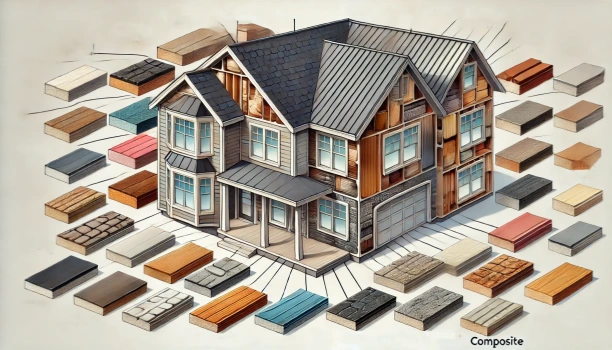
For exterior wall cladding, the panel is only one part of the system. You also need to check the fixing method, accessories, subframe, ventilation cavity, drainage design, expansion gaps, and replacement method.
This is important for bulk projects because unclear installation details can cause delays, uneven walls, damaged panels, or after-sales disputes. Before ordering, you should confirm whether the supplier provides matching trims, clips, screws, joists, end caps, installation guides, and section drawings.
Expansion gaps are also important because many cladding materials expand and contract with temperature changes. A clear installation system helps builders reduce jobsite risk and helps distributors reduce customer complaints.
How Bulk Buyers Should Choose Exterior Wall Cladding
Different B2B buyers should focus on different points.
Wholesalers should check SKU range, color options, MOQ, packing, container loading, and accessory supply. These points affect stock planning and repeat orders.
Distributors should focus on market demand, sample support, warranty, installation guidance, and after-sales risk. A product must be easy to promote, easy to install, and easy to support locally.
Builders and contractors should focus on installation speed, labor cost, product weight, fixing method, cutting, and accessory matching. A lighter and easier-to-install system can reduce project time and jobsite pressure.
Project owners should focus on long-term maintenance, facade appearance, warranty, and total cost. The lowest material price may not be the best choice if the product needs frequent painting, repair, or replacement.
Conclusion
Exterior wall cladding can be classified by material or by appearance. Brick, stone, wood, WPC, fiber cement, vinyl, metal, glass, and concrete-look panels all have different strengths.
For B2B buyers, the right choice should balance design needs, project budget, installation efficiency, weather resistance, maintenance cost, supply reliability, and warranty support.
If your project needs a natural wood-look surface, easier handling, and lower maintenance than natural wood, WPC exterior wall cladding is a practical option for facades, soffits, balcony walls, hotels, resorts, garden buildings, and commercial decorative walls.
Looking for a WPC Manufacturer?
MATECO will be your best choice.
WhatsApp: +86-13380085620
Email: info@matecowpc.com