How Middle East Tensions Affect PVC Prices and WPC Material Costs
Global supply chains are increasingly exposed to geopolitical risks. The recent escalation of tensions in the Middle East has created significant concerns for B2B buyers about PVC prices, raw material costs, and procurement of WPC products.
If you are a distributor, contractor, or wholesaler, you are likely asking: Will PVC prices rise? How will this affect WPC wall panels and decking costs?
As a leading WPC manufacturer, MATECO monitors global shifts closely. This guide explains PVC price trends, the effects of geopolitical instability on supply chains, and actionable strategies to manage procurement risk for WPC products.
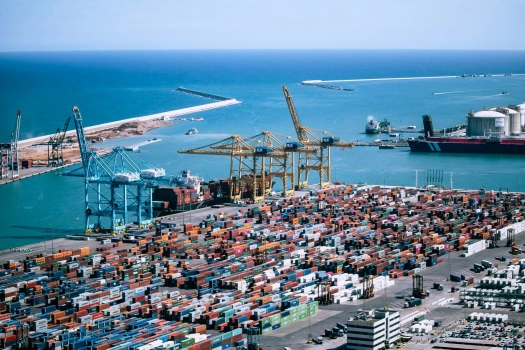
Table of Contents
Why Middle East Tensions Affect PVC Prices
PVC production depends heavily on the energy market. The production chain can be simplified as:
Oil / Natural Gas → Ethylene
Salt + Electricity → Chlorine
Ethylene + Chlorine → VCM → PVC Resin
Because the Middle East is a central hub for oil and gas, any conflict immediately impacts global energy costs. Rising crude oil and natural gas prices increase the cost of Ethylene, driving up PVC prices.
Key Drivers Behind PVC Price Trends
While headlines may alarm buyers, three core factors actually dictate PVC pricing and WPC costs:
1) Energy Costs and Freight
Disruptions in shipping routes like the Red Sea or Suez Canal increase fuel consumption, container freight rates, and landed costs for WPC.
2) Global Supply Levels
China’s production capacity heavily influences PVC availability. Domestic energy constraints or export limits can tighten supply, raising global prices.
3) Construction Demand
Growing interest in sustainable materials drives demand for WPC decking, wall panels, and outdoor solutions, adding upward pressure on prices.
Short-Term vs. Long-Term Trends
Short-Term: Panic buying, shipping disruptions, and sudden market reactions lead to temporary PVC price spikes and shorter quotation validity.
Long-Term: Sustained energy price trends, factory capacities, and the shift to green building materials define structural cost changes.
Ripple Effects on WPC Procurement
Since PVC is the core of high-quality WPC, market volatility affects procurement directly:
* Higher Production Costs: Raw material increases propagate through the supply chain.
* Quotation Instability: Manufacturers may only hold price quotes for 7–14 days.
* Inventory Risks: Shipping delays can stall construction projects, affecting distributor margins.
Smart Procurement Strategies for B2B Buyers
Even when global geopolitics are out of your control, procurement decisions are within your reach:
1) Monitor PVC Prices: Track crude oil and PVC resin indexes to lock in orders during price dips.
2) Split Orders: Schedule monthly or quarterly shipments to average costs and reduce exposure to price spikes.
3) Track Total Landed Cost (TLC): Factor in fluctuating freight, not just FOB price, for accurate budgeting.
4) Partner with Direct Manufacturers: Reliable suppliers like MATECO provide stable pricing, transparent updates, and consistent supply.
Why PVC-Based WPC Mitigates Risk
Choosing the right WPC material helps protect margins even during market volatility:
* Material Stability: PVC-based WPC is robust, long-lasting, and less prone to cracking than filler-heavy alternatives.
* Freight Efficiency: Lightweight, co-extruded products maximize container capacity, reducing per-unit shipping costs.
Conclusion
In a turbulent market, proactive procurement outperforms reactive buying. Understanding energy markets, PVC trends, and shipping logistics empowers distributors, wholesalers, and contractors to make informed WPC purchasing decisions.
Looking for a reliable WPC partner?
MATECO offers premium PVC-based decking, wall panels, and timber tubes with long-lasting durability, lightweight designs, and container-optimized logistics. Request a Quote Today to secure current rates and protect your margins.