Benefits of Composite Cladding for Modern Construction Projects
Composite cladding, especially WPC, has become a popular choice for exterior walls in modern buildings. If you are a developer, architect, or contractor, you are no longer choosing materials based on appearance alone. You also need to consider durability, installation speed, long-term cost, and project risk.
Compared to traditional materials like wood, stone, or fiber cement, WPC cladding offers a better balance between performance and long-term cost. It helps you deliver projects that look good, last longer, and require less maintenance.
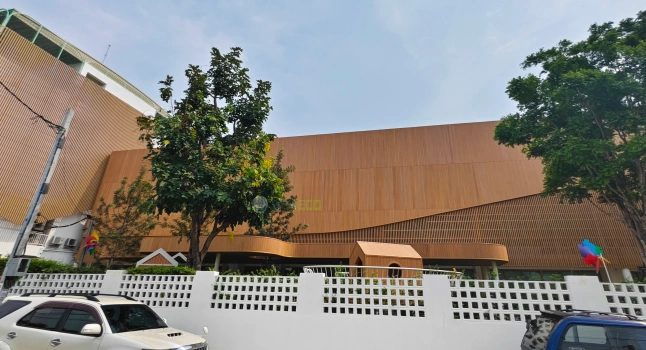
Table of Contents
1. Design Versatility & Consistent Appearance
Natural wood often has color differences, knots, and uneven texture, which makes it difficult to achieve a consistent look in large projects.
With WPC cladding, you can control the final appearance more easily:
Uniform color and texture across all panels
Consistent finish from batch to batch
Closer match to design drawings
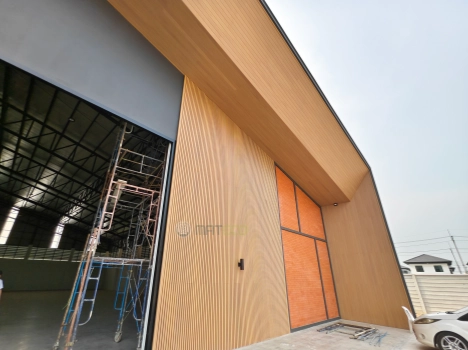
Modern WPC panels can also replicate high-end wood grain. Many systems use hidden fasteners, creating a clean and modern facade.
What this means for you:
You can deliver a stable and consistent visual result across large-scale or multi-site projects.
2. High-Performance Weather Resistance
Exterior materials must withstand sun, rain, humidity, and temperature changes. Traditional materials like wood can absorb water, expand, crack, or fade over time.
WPC cladding is designed to avoid these issues:
It does not absorb water, so it will not swell or rot
It resists warping and cracking
It performs well in hot and humid environments
With co-extrusion and ASA surface technology, the panels also have strong UV resistance. This allows them to maintain color stability for 10-15 years, even under strong sunlight.
What this means for you:
You reduce the risk of material failure after installation, which means fewer repairs, fewer complaints, and fewer call-backs.
3. Lower Maintenance and Long-Term Cost Savings
One of the biggest advantages of WPC cladding is how little maintenance it needs.
Unlike wood, you do not need to:
Sand the surface
Apply oil or paint
Use chemical treatments to prevent damage
Most of the time, simple cleaning with water is enough to keep the surface in good condition.
What this means for you:
Even if the initial cost is slightly higher than low-grade wood, you save a lot of money over time. Over a 20-25 year period, the total cost of ownership is much lower because you avoid regular maintenance work.
4. Faster and Easier Installation
On a construction site, time directly affects your cost and profit. Materials that are difficult to install will increase labor time and project delays.
PVC-based WPC cladding systems are designed to improve installation efficiency.
The panels are lightweight, around 6-7 kg per square meter
They are easier to carry and install
Many systems use interlocking or snap-fit designs
These features can reduce installation time by 20-30% compared to traditional materials.
What this means for you:
You can complete projects faster, reduce labor costs, and improve overall project efficiency.
5. Reduced Risk and Better Reliability
For most construction projects, one of the biggest concerns is risk. Problems like cracking, color change, or material failure can lead to disputes and extra costs.
WPC cladding helps you reduce these risks.
It is an engineered material with stable performance
It does not crack or bleed like natural wood
It is resistant to termites and fungal growth
This is especially important in regions with high humidity or strong insect activity.
What this means for you:
You lower the chance of post-installation issues and reduce warranty claims, making your project more predictable and easier to manage.
6. Fire Safety and Compliance
Safety is a key requirement in modern construction, especially for commercial and public buildings.
WPC cladding can be designed to meet fire safety standards.
It can achieve B1-grade fire retardancy
It performs better than untreated wood in fire situations
It meets building requirements for high-occupancy spaces
What this means for you:
You can meet safety regulations more easily, especially for projects like hotels, schools, hospitals, and shopping centers.
Typical Applications of Composite Cladding
WPC cladding is suitable for many types of projects:
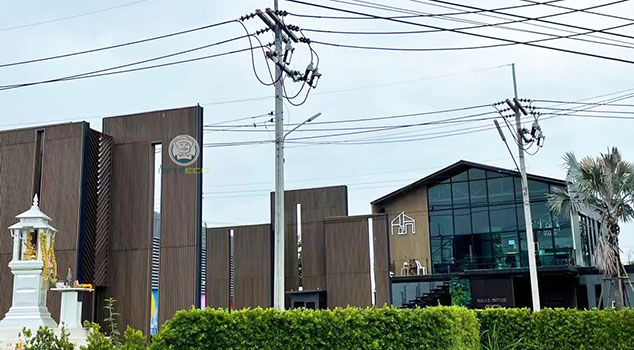
Commercial facades such as office buildings and shopping malls
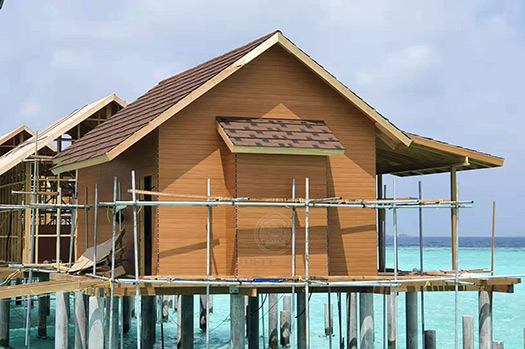
Hotels and resorts, especially in humid or coastal areas
Public buildings like schools and hospitals
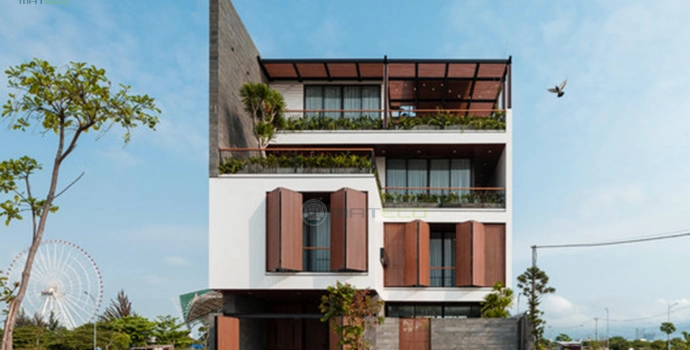
High-end residential projects including villas and apartments
In these applications, the main goal is the same: a clean appearance, long lifespan, and low maintenance.
Conclusion
If you are choosing materials for a modern construction project, composite cladding is more than just an alternative to traditional materials. It is a practical upgrade.
With WPC cladding, you get:
A consistent and controlled appearance
Strong resistance to weather and environmental damage
Minimal maintenance over time
Faster installation and lower labor cost
Reduced project risk and better long-term performance
In simple terms, you are not just improving how your building looks, you are improving how it performs over its entire lifecycle.
Explore our full range of exterior WPC cladding systems designed for wholesale supply and large-scale distribution.